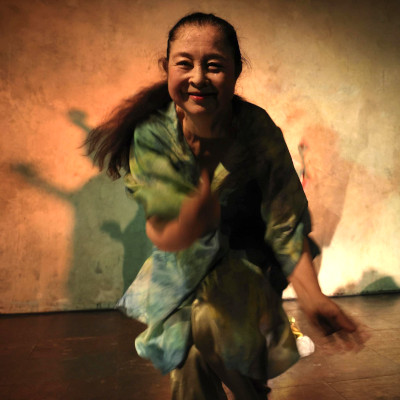
Heidi S. Durning dances between cultures. Her choreography fuses Japanese Classical Dance and Contemporary Dance. She is also an accomplished Classical Japanese dancer under the name Fujima Kanso o. She received her training from the Fujima School of Dance, and her Grand Master is Fujima Kanjuro 8th. Her unique fusion of impulses, along with her passion for working with artists from diverse backgrounds and countries, has resulted in a performance style that is technically accomplished and rich in texture, spirit, and vibrancy. Based in Kyoto, Heidi continues to teach, create, and perform globally. Heidi received her BA in Child Development Education from California State University, Chico, and her MFA in Dance from University of Michigan, Ann Arbor.
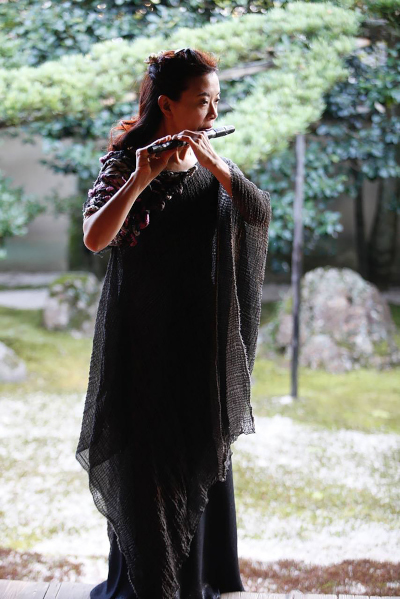
Nonaka, Kumiko (Noh-flute player), graduated from International Christian University, Tokyo with BA (Liberal Arts) in 1986. Studying piano and violin for enjoyment sparked her interest in Japanese traditional music. She began studying noh-flute (a bamboo flute in Noh theatre) with Hiroyuki Matsuda. Performing publicly since 1994, Nonaka has played traditional Noh solo pieces, and collaborated with players of western, eastern, and folklore musical instruments, and traditional and contemporary dancers. She has been invited to many memorial events at shrines and temples, and also performed abroad.
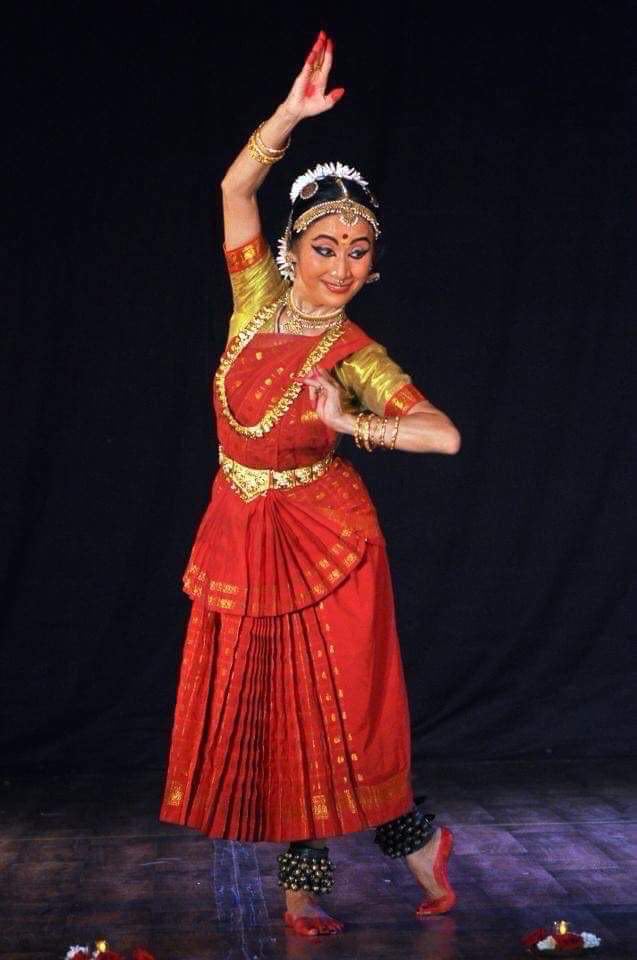
Daya Tomiko has performed as a soloist all over Japan, becoming one of Japan’s most famous and representative performers of Bharata Natyam. She not only dances on stage in theatres, but also at temples and shrines, at schools, and occasionally for charitable causes. She is Principal of “Thanmaye-Nathyalaya” the Institute of Indian Classical Dance and a Lecturer in Indian Dance at the Osaka University, Faculty of Foreign Languages.
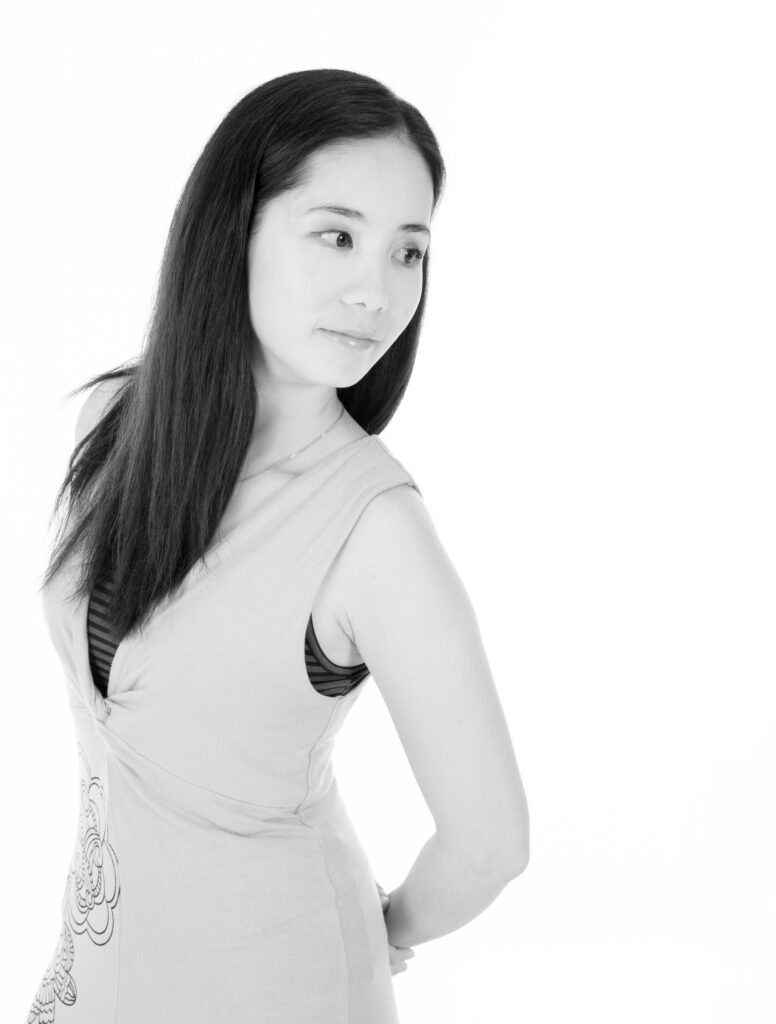
Kyoko Fujimoto, a versatile choreographer, embarked on her dance journey in Japan before gracing stages in Boston and New York City with ballet and musical theater performances. Her ability to infuse joy into movement reflects her creative vision. In her comedy food ballet Flavorland, “Fujimoto expertly captures the joyful experience of devouring a chocolate truffle” (CriticalDance 2018). Beyond dance, Kyoko holds a B.A. in Physics from Boston University and M.S. and Ph.D. in Electrical Engineering from the University of Hawaiʻi at Mānoa. Her fusion of artistic expression and academic/scientific prowess enables her to tackle concepts from opposite ends of the spectrum. For example, her “into the fields,” a contemporary ballet quartet, explores MRI – Magnetic Resonance Imaging (2023). Her work not only captivates, but also seamlessly integrates science, offering audiences a compelling intersection. Fujimoto was awarded a FY2025 Arts and Humanities Fellowship Grant in Ballet Dance by the District of Columbia Commission on the Arts and Humanities.
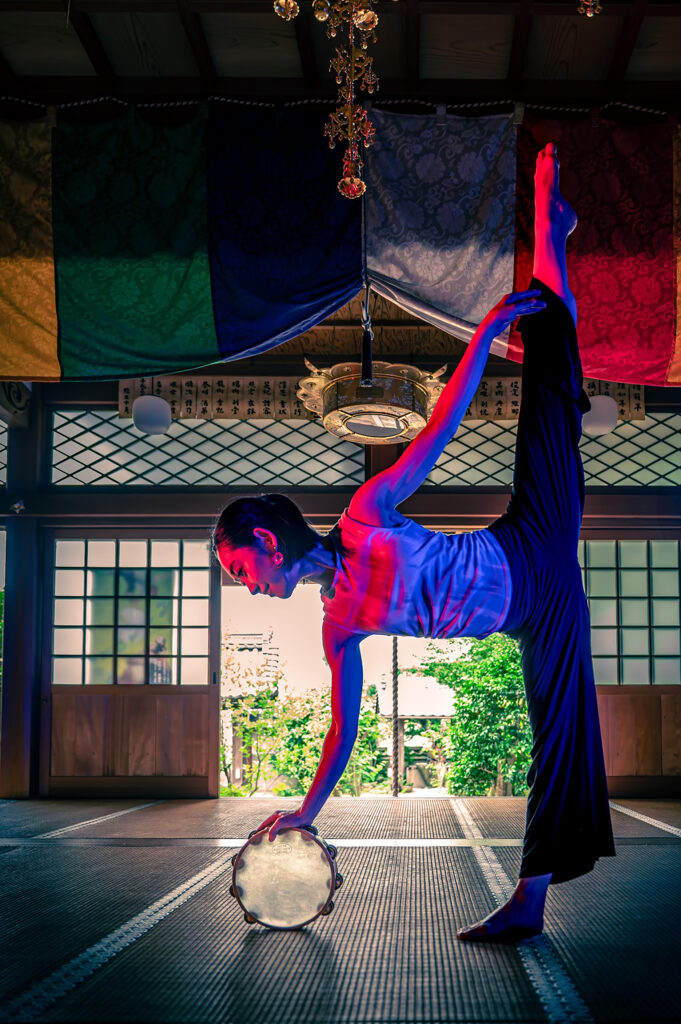
Nozomi Nishitani started classical ballet at the age of 4. She spent her elementary and middle school years in Singapore, performing as a student dancer in numerous Singapore Dance Theatre productions. After returning to Japan, she attended the Tani Momoko Ballet Company Institute, participating in the institute’s showcases and the performances by the Japan Ballet Association. Currently, Nozomi focuses on jazz dance and performs at international shows and corporate events.
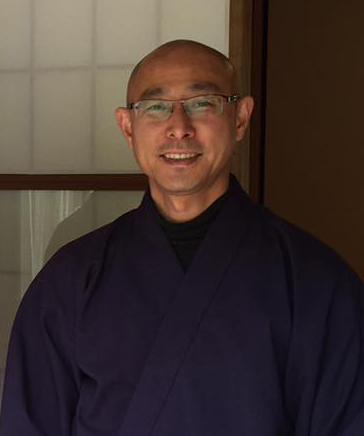
Akifumi Mitsubayashi serves as the representative director of Shinfuku-ji, a Zen temple of the Soto sect located in Kameoka City, Kyoto Prefecture. Although it is a small temple, as a temple open to the community, its activities span a wide range, including not only religious activities but also artistic activities such as concerts, dance events, music classes, and painting classes; disaster prevention activities in collaboration with Kameoka City; welfare activities such as support for preventing burnout among medical professionals and rehabilitation support for ex-offenders; and other environmental conservation activities.
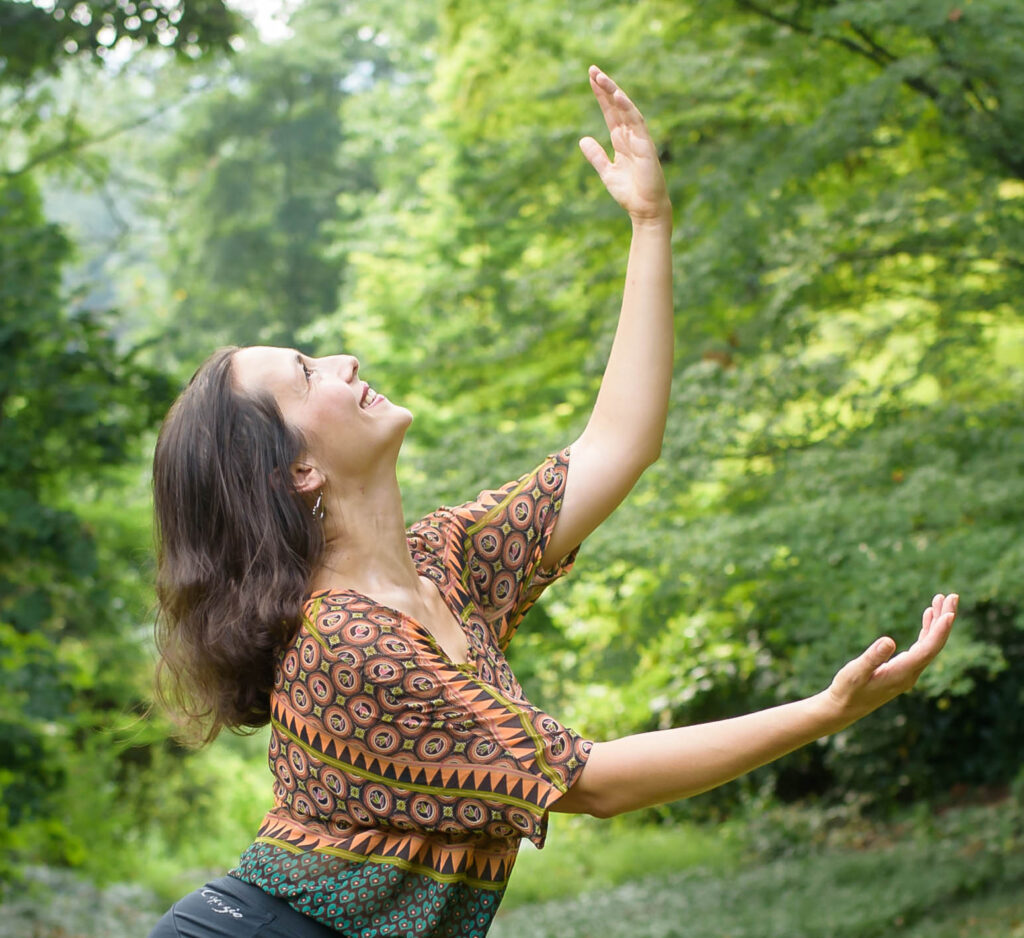
Sylvana Christopher (she/her) BFA in Dance Performance & Choreography founded Glade Dance Collective (2009), SylviDances (2016) and Vigorous Roots (2023). Christopher teaches youth across Washington, DC in schools, studios and arts centers. SylviDances, founded in 2016, is a DC dance company that engages the community with accessible dance theater work. We choreograph and collaborate surrounding issues that speak to the human condition. Current company members include Grace Cannon, Sylvana Christopher, Aaron Jackson, Rachel Lawal, Keith Macadangdang, and Deanna Woodman.
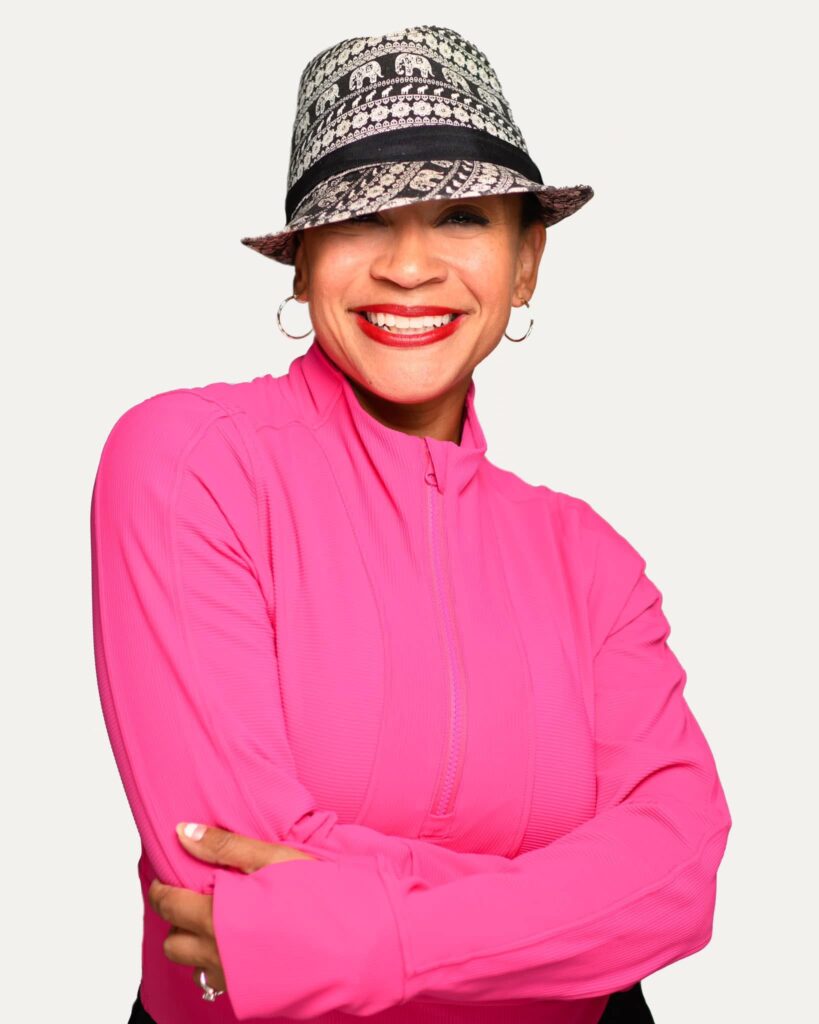
Claytor Company a multigenerational dance company, was founded in 2021 by choreographer, arts educator and arts advocate, Stacey Yvonne Claytor. Claytor is passionate about the transformative capacity of the arts to bridge gaps and connect us with our humanity. Claytor’s work gives a voice to raw experiences and emotions, guiding audience members and even herself towards healing and enlightenment. Themes that emerged in her earlier work include; love, loss, community, isolation, fear, grief and healing. Future projects will explore racism and equality, passion and lust, as well as ways in which human nature imitates the various movements of water.
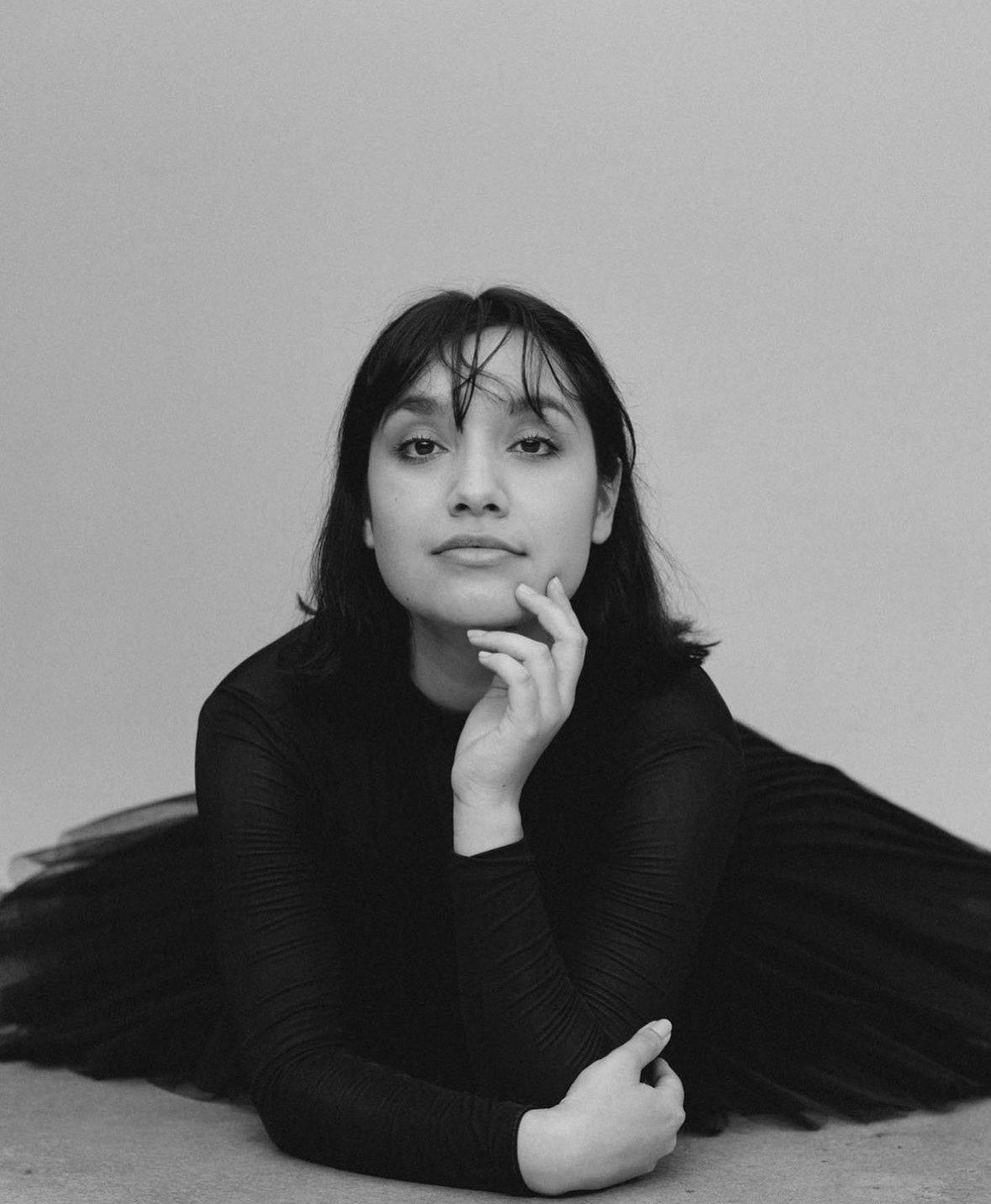
Tabata Vara is a choreographer, performer, and founder of Totema Dance, creating work that investigates identity, memory, and how we carry history in our bodies. A Towson University BFA graduate (2022) and recipient of the Outstanding Achievement in Choreography Award, she has presented work at the Attune Dance Festival in Kyoto, the Latinx Movement Festival in DC, and Dance Place’s District Choreographers Festival (2026). She also taught a free bilingual ballet program for low-income families, believing art’s greatest power is to connect, include, and revolutionize.
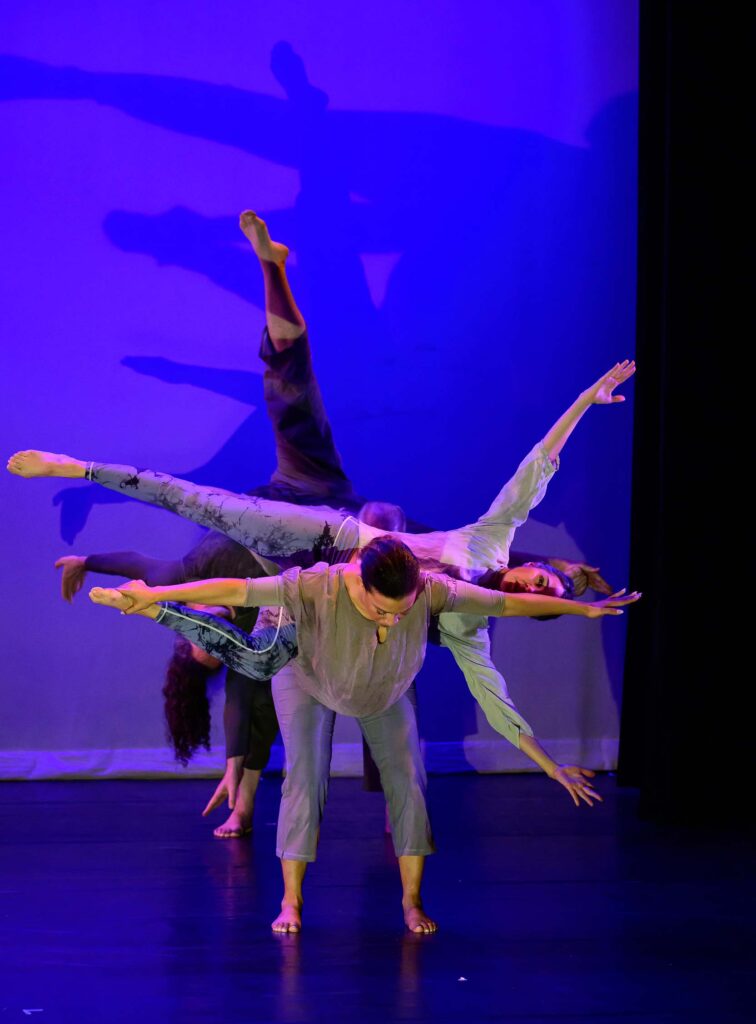
Human Landscape Dance was founded in 2006, and has since brought contact choreography around the world. Specializing in artist partnerships, Human Landscape Dance has given performances, held workshops, and shot video footage in Europe, Asia, and South America, as well as cities across the US and Canada. Noted for “…ingenious choreography and staging…” by the Washington Post, the dances of Artistic Director Malcolm Shute are characterized by intimate portraits of people as they undergo change. Using touch to communicate, bodies mold with their environment to create a collage of images.